Let's be upfront about something. Before we went to South Africa, we thought we had it figured out. We'd done the research, read the blogs, watched enough wildlife documentaries to feel vaguely qualified. We had a rough itinerary, a sense of what to expect, and the quiet confidence of two people who have travelled enough to know what they're doing.
South Africa promptly humbled us in the best possible way.
Here's everything we'd tell you before you go — including the thing that genuinely stopped us in our tracks.
What We Actually Did
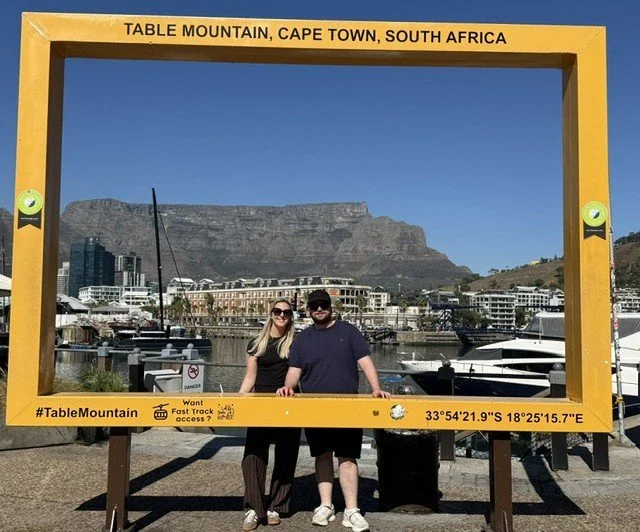
We had two weeks, which sounds generous until you look at a map of South Africa and realise the country is enormous. We split our time across four main experiences: Cape Town city, the Cape Point Peninsula, the Stellenbosch winelands, and a private game reserve for safari. More on that last one shortly.
We didn't do the Garden Route on this trip, which we'll come back to. We also didn't do Kruger. That was a deliberate choice, and one we'd make again.
Cape Town: Give It More Time Than You Think
Cape Town is one of those cities that sounds manageable on paper — it's compact, it's walkable in parts, it's photogenic from basically every angle. What the guides don't tell you is that you'll spend half a day just deciding which viewpoint of Table Mountain to prioritise, and the other half wondering why you didn't book an extra two nights.
We had four days in the city and it wasn't quite enough. Not because there's a relentless list of things to tick off, but because Cape Town rewards slowing down. The food scene alone could occupy a week. Bree Street, the V&A Waterfront (which is more enjoyable than its tourist-trap reputation suggests), the neighbourhood of De Waterkant — it all takes longer than you plan for, and you won't mind.
What we'd do differently: Book five nights minimum in Cape Town. The extra day isn't indulgent, it's necessary.
Cape Point: Worth the Drive
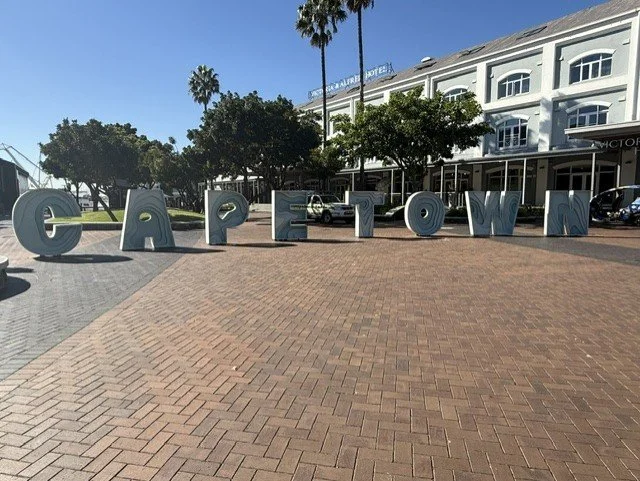
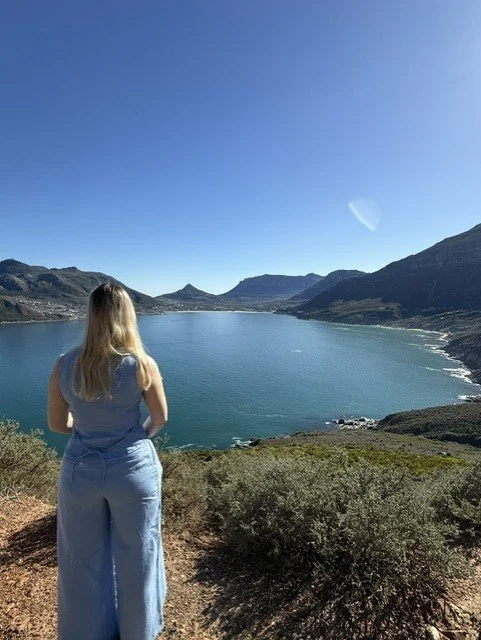
Cape Point sits at the southwestern tip of the Cape Peninsula and involves a drive down one of the more spectacular coastal roads we've been on. The point itself — where the Atlantic and Indian Oceans meet — is the kind of place that makes you feel appropriately small.
It's busy. Go early. The difference between arriving at 8am and arriving at 11am is roughly the difference between feeling like you've discovered somewhere and feeling like you're in a queue at a theme park.
The drive back via Chapman's Peak is, if anything, better than the drive there. Factor in at least a full day for the Peninsula — it's not a half-day trip, whatever the tour operators tell you.
Stellenbosch and the Winelands: Lower Your Expectations to Raise Them Again
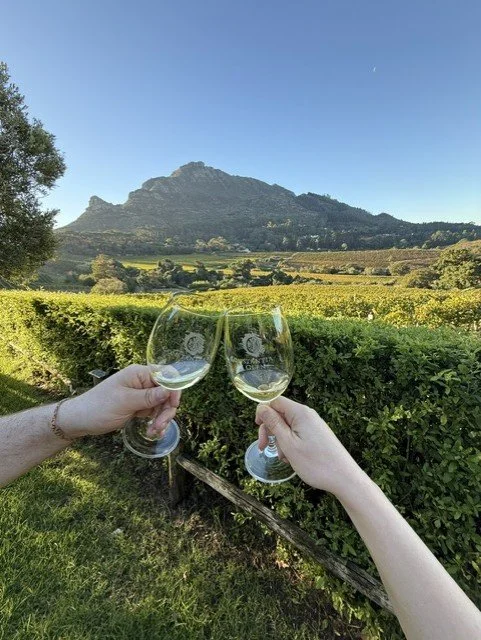
This is a slightly odd one to explain. The Stellenbosch winelands are genuinely beautiful — rolling vineyards, Dutch Cape architecture, very good wine at prices that will make you quietly furious about what you pay at home. On paper, it's perfect.
In reality, it's also extremely easy to spend a lot of money doing very little if you're not deliberate about it. Wine tastings add up. The restaurants at the better estates aren't cheap. You can drift through a very pleasant but oddly expensive afternoon without feeling like you've got much out of it.
Our advice: pick two or three estates with intention rather than wandering between five. Spier, Delheim and Tokara are all worth your time. Book lunch at one of them in advance. Then stop, rather than feeling like you need to cram in more.
What we'd do differently: Fewer estates, more time at each one.
The Safari: This Is What We'd Do Differently
Here's where we get to the thing we tell everyone who asks about this trip.
We nearly didn't book a private game reserve. The cost difference between a private reserve and Kruger National Park is significant — there's no getting around that — and when you're planning a trip that already involves long-haul flights and a week in one of the world's most expensive cities, it's tempting to cut costs on the part of the trip that feels most optional.
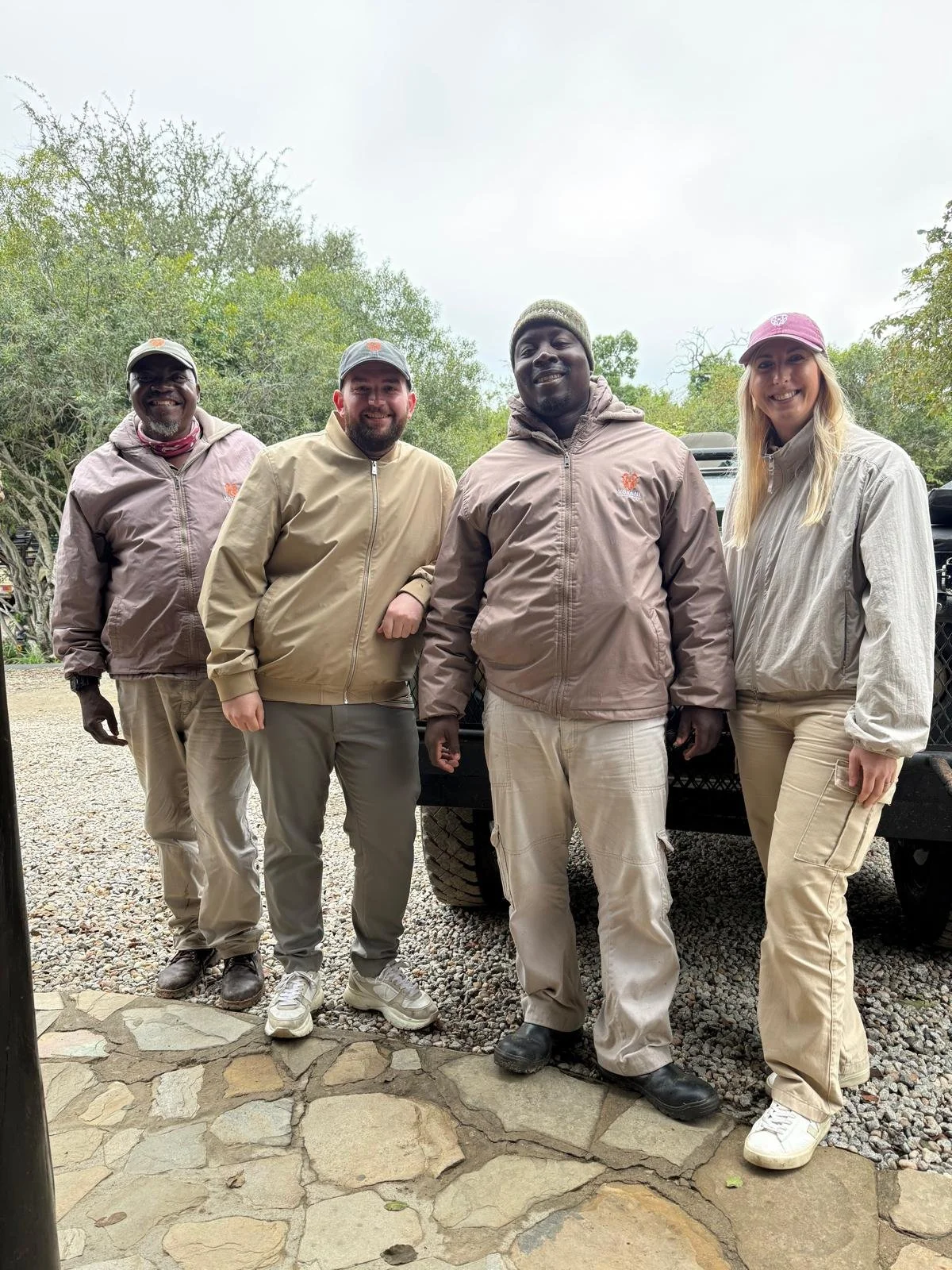
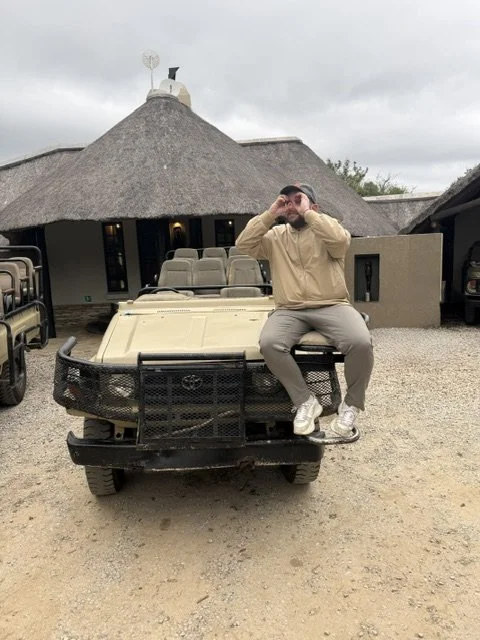
We booked private anyway. Specifically, we stayed with Vuyani Safari Lodge, and it was one of the best decisions we've made on any trip.
Why Private Reserve Changes Everything
In Kruger, you're in your own vehicle, navigating yourself, competing with dozens of other cars for sightings. It's still extraordinary — we're not dismissing it — but it's a fundamentally different experience to a private reserve.
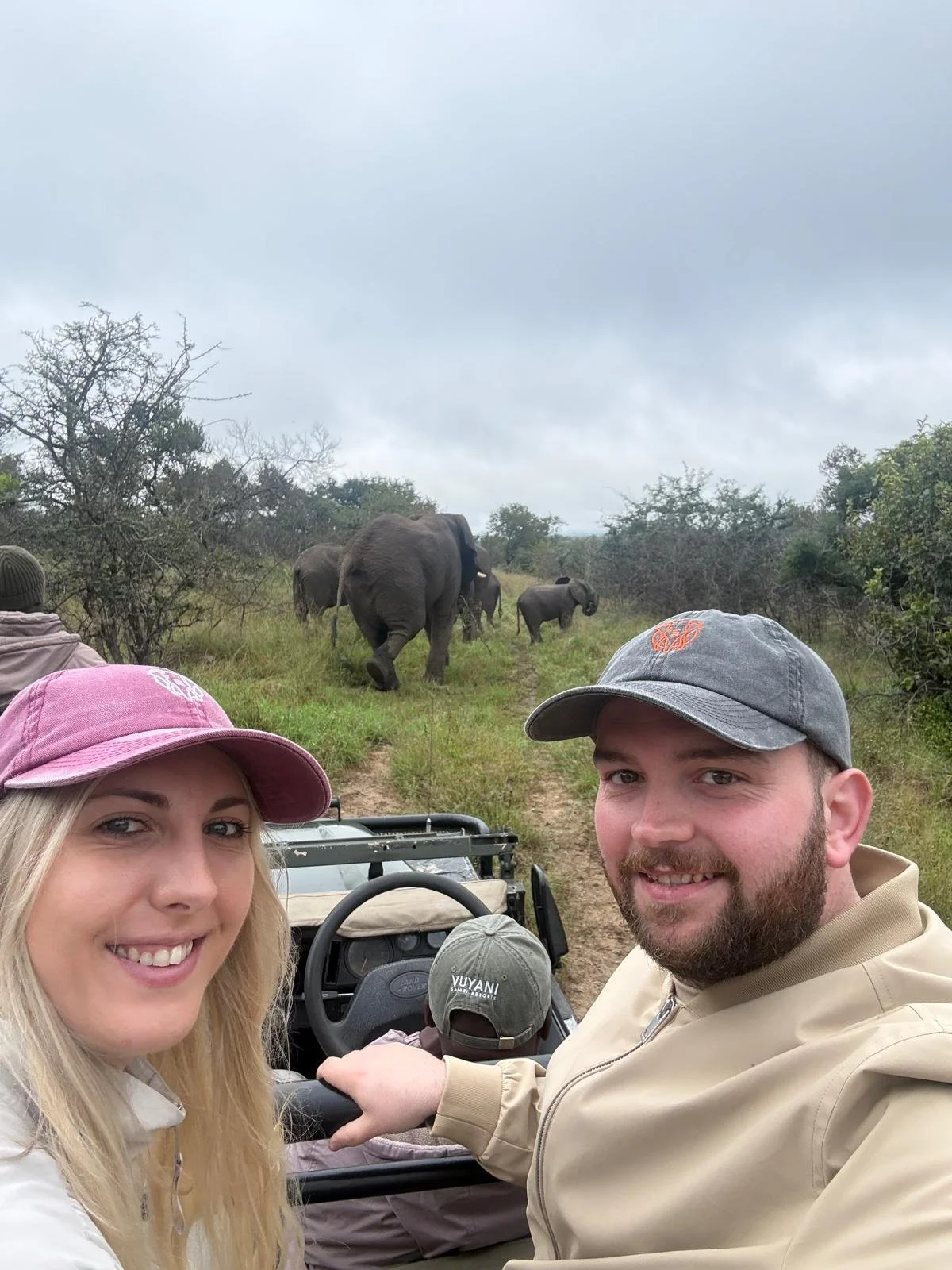
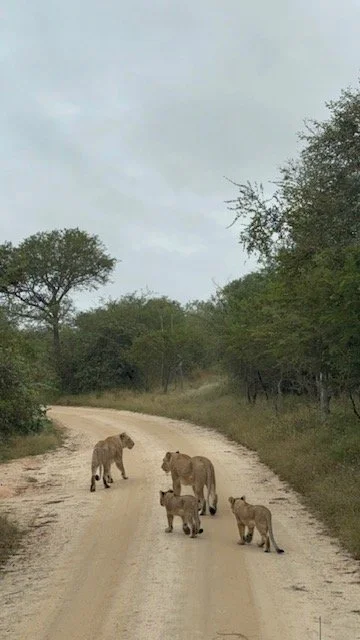
In a private reserve, you go out in a Land Rover with a guide and a tracker whose combined knowledge of the bush is, frankly, embarrassing. They know where the leopard slept last night. They can read a bent piece of grass and tell you a lion walked through four hours ago. They stop the vehicle somewhere seemingly random and thirty seconds later a herd of elephants emerges from the treeline forty feet away.
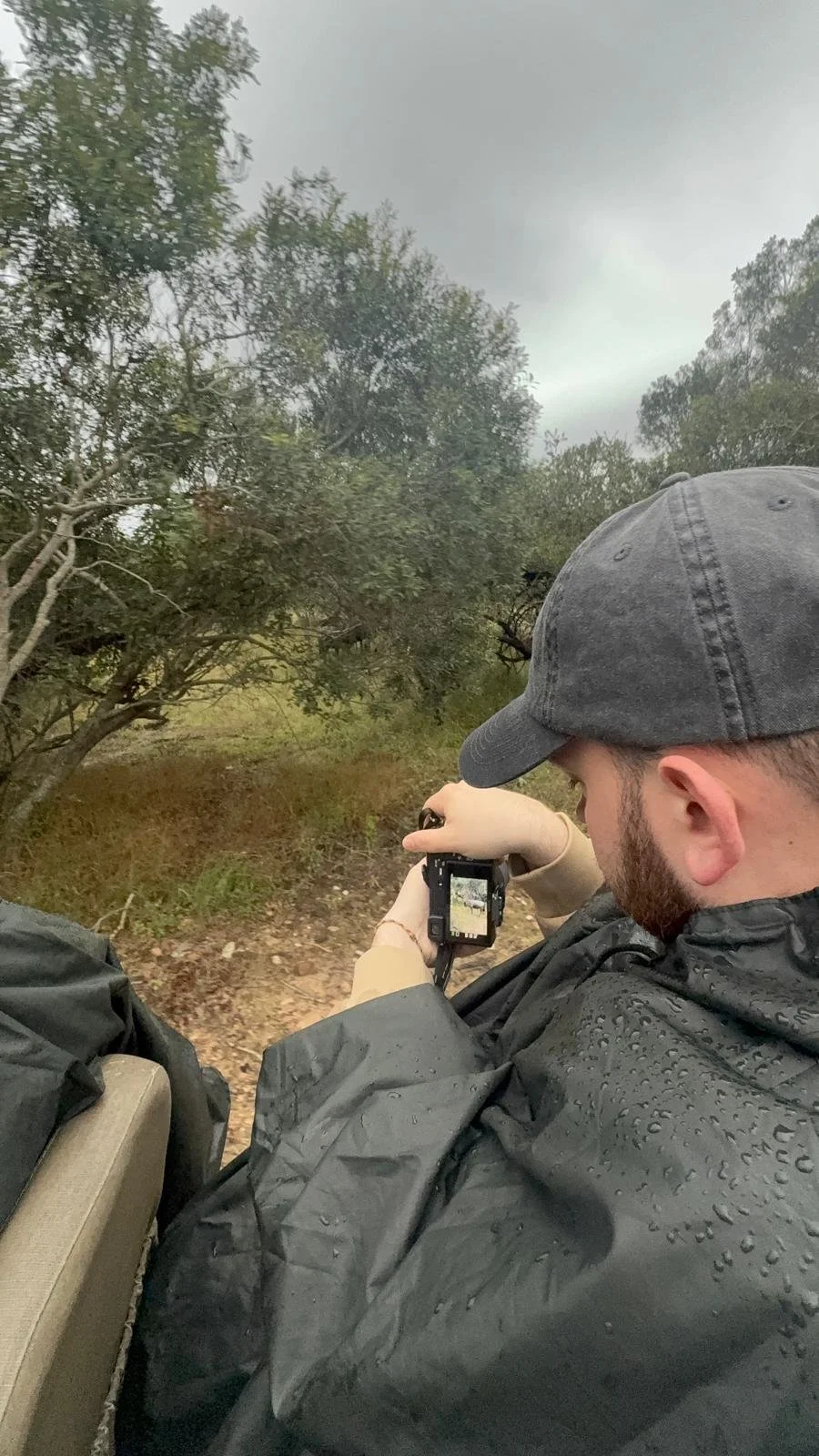
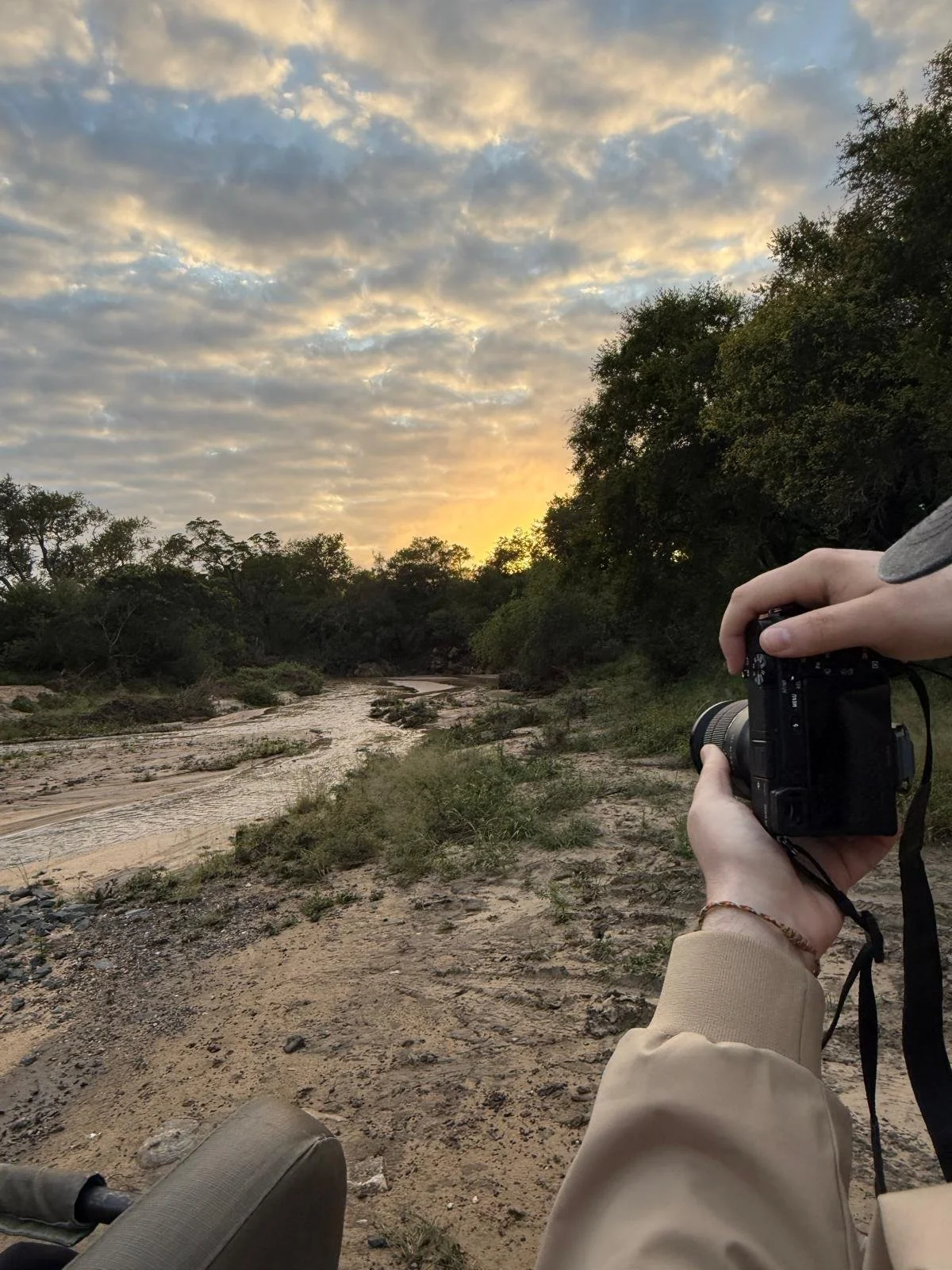
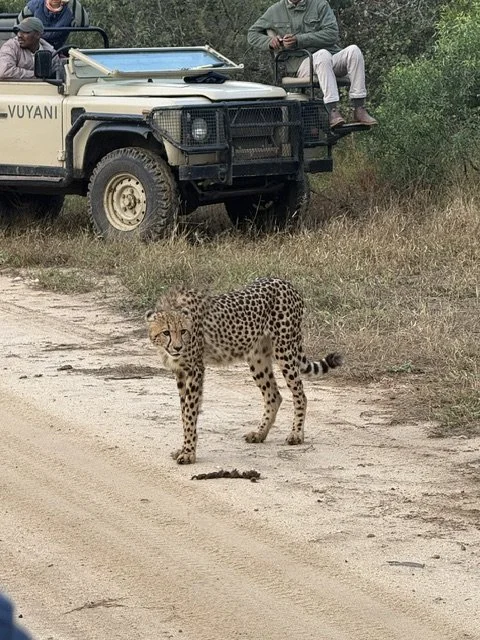
The game drives with Vuyani were the part of the trip that exceeded every expectation we had — and we had high ones. The level of service, knowledge and genuine care they put into every drive was something we weren't prepared for. Our guide had been working the bush for years and spoke about the animals with the kind of quiet authority that makes you feel like you're learning something real, not being given a rehearsed tour.
We did two drives a day — early morning and late afternoon, which are the best times for sightings — plus a night drive that produced one of the more surreal hours either of us can remember. Spotlight on a leopard, completely unbothered, walking alongside the vehicle.
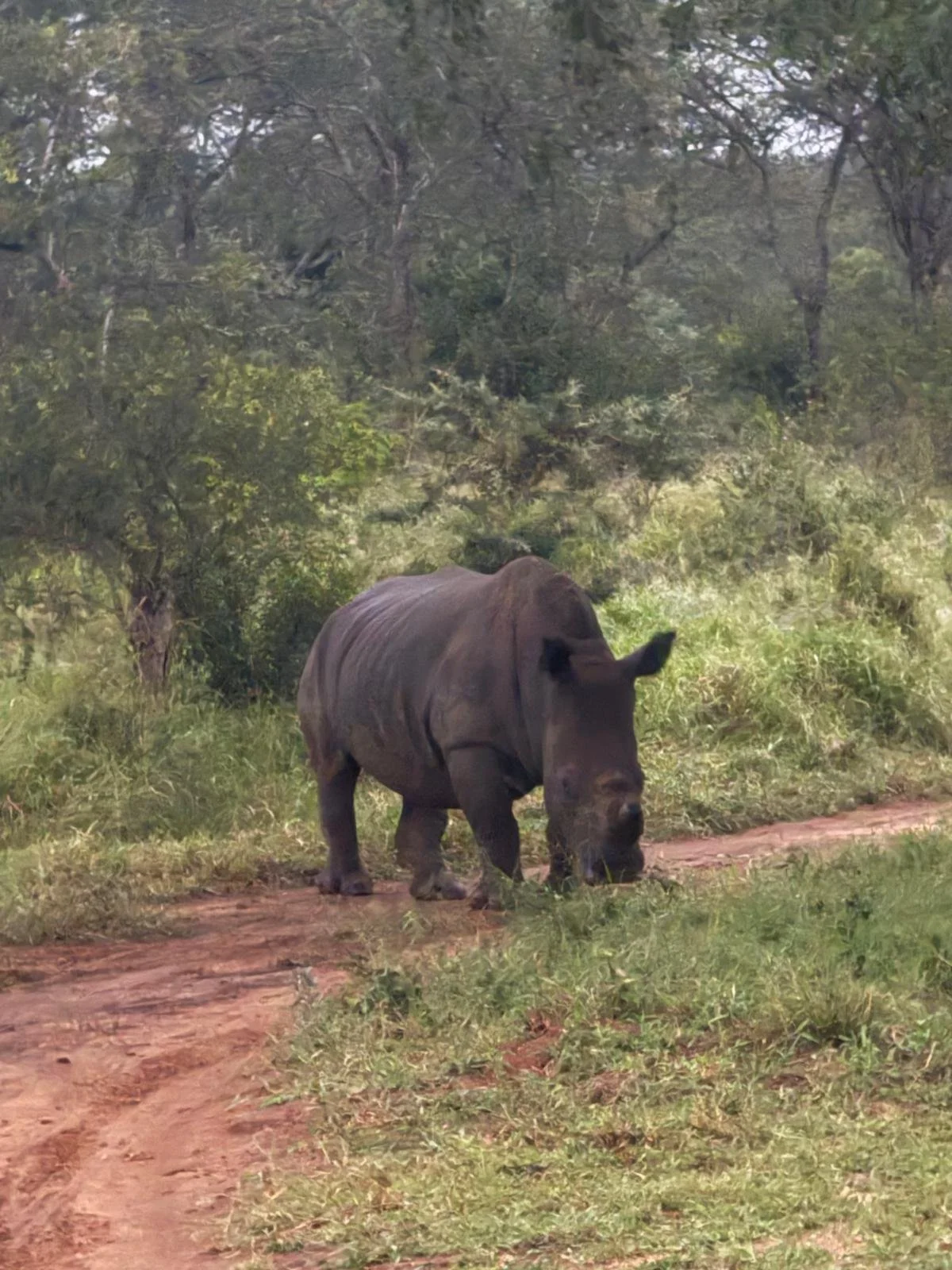
The big five? We got all five. We hadn't planned around that, hadn't expected it, and it happened anyway.
So, What Would We Do Differently?
Honestly, not much — and we don't say that lightly. This is a trip we'd do almost identically again, with two changes:
More time in Cape Town. Five nights rather than four. The city earns it.
Budget for private safari from the start. Don't treat it as the upgrade you might splurge on. Treat it as the non-negotiable and work the rest of the budget around it. The experience with Vuyani is the kind of thing you talk about years later. The money you saved by going self-drive in Kruger is not.
The Practical Bit
When to go: May to September is dry season and the best time for game viewing
How long: Two weeks is comfortable. Ten days is doable but tight if you want to cover Cape Town, the winelands and safari without feeling rushed
Getting around: You'll need to hire a car for Cape Town and the Peninsula. Safari transfers are usually arranged through the lodge. Domestic flights between regions save significant time
Budget: South Africa is not as cheap as people expect, particularly Cape Town and private reserves. Factor generously
The Bottom Line
South Africa is one of those trips that recalibrates what you think travel can be. It's not just that it's beautiful — it is, relentlessly — it's that it gives you experiences that don't really have an equivalent elsewhere. A leopard at night. Elephants at close range. Watching the sun drop over a Cape Town mountain with a glass of Chenin Blanc.
We went thinking we knew roughly what we were getting. We came back having been quietly shown up by a country that had considerably more to offer than we'd anticipated.
Go. Book the private reserve. Thank us later.
Have questions about our South Africa trip? Drop them in the comments — we're happy to go into more detail on any of it. And if you want to know how we're planning to get back there on points one day, keep an eye on the Points & Miles section.