Peru is one of those destinations that sits on lists for years before people actually book it. It sounds complicated. It sounds physical. It sounds like the kind of trip that requires more preparation — and possibly more fitness — than a couple of busy professionals can reasonably manage between work and everything else.
We are here to tell you it doesn't have to be any of those things.
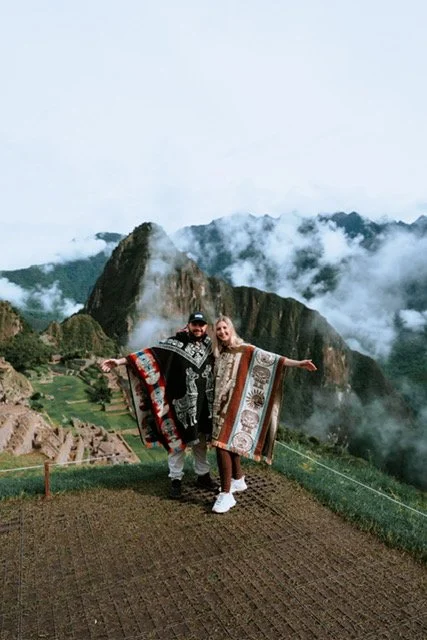
We did Peru without trekking the Inca Trail. We flew business class home — more on that shortly. We spent two nights in Lima eating some of the best food of our lives. And we stood at Machu Picchu, a genuine wonder of the world, and felt the full weight of being somewhere that extraordinary.
You don't need to rough it. You just need to go.
Lima: Don't Skip It
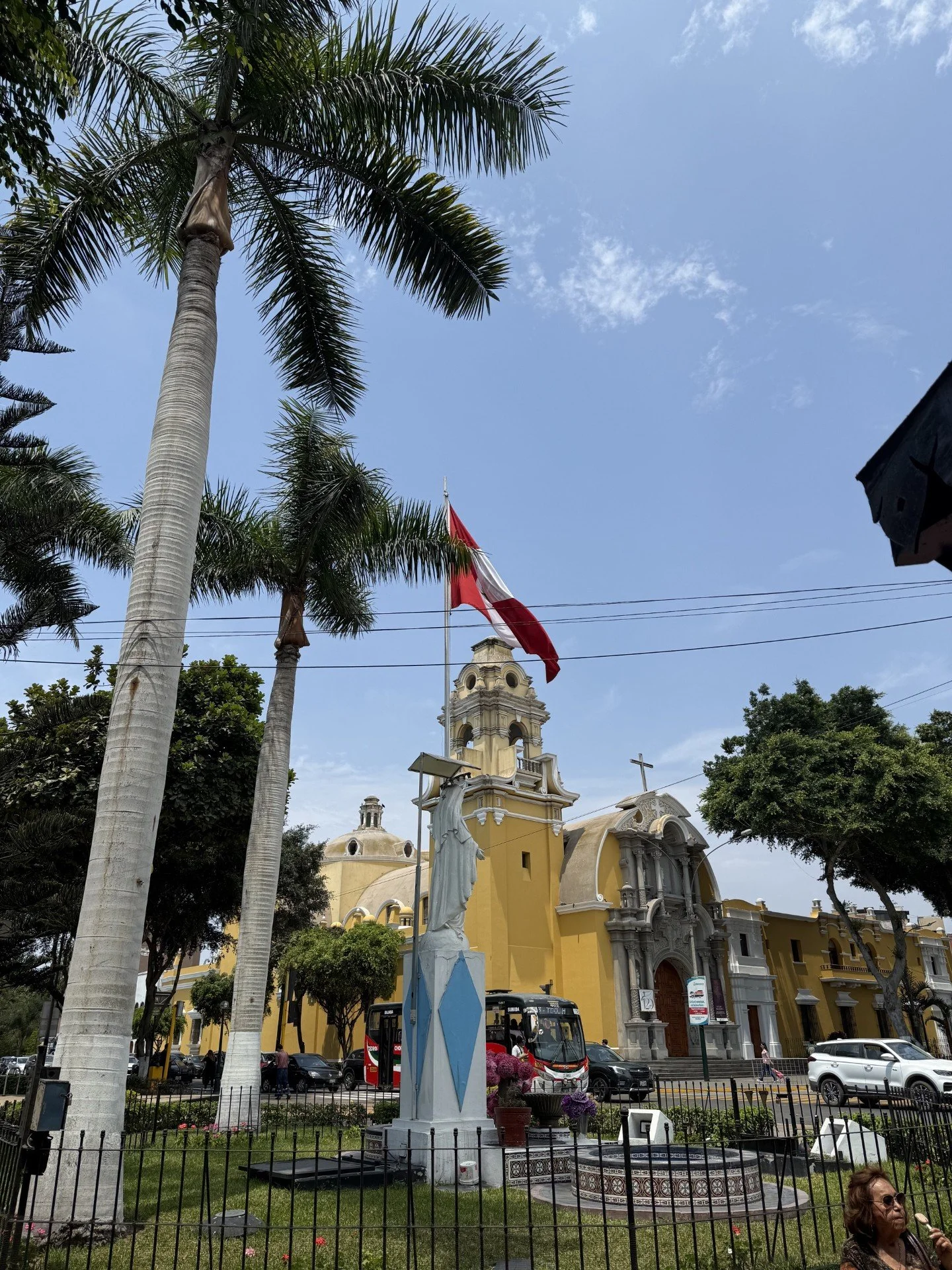
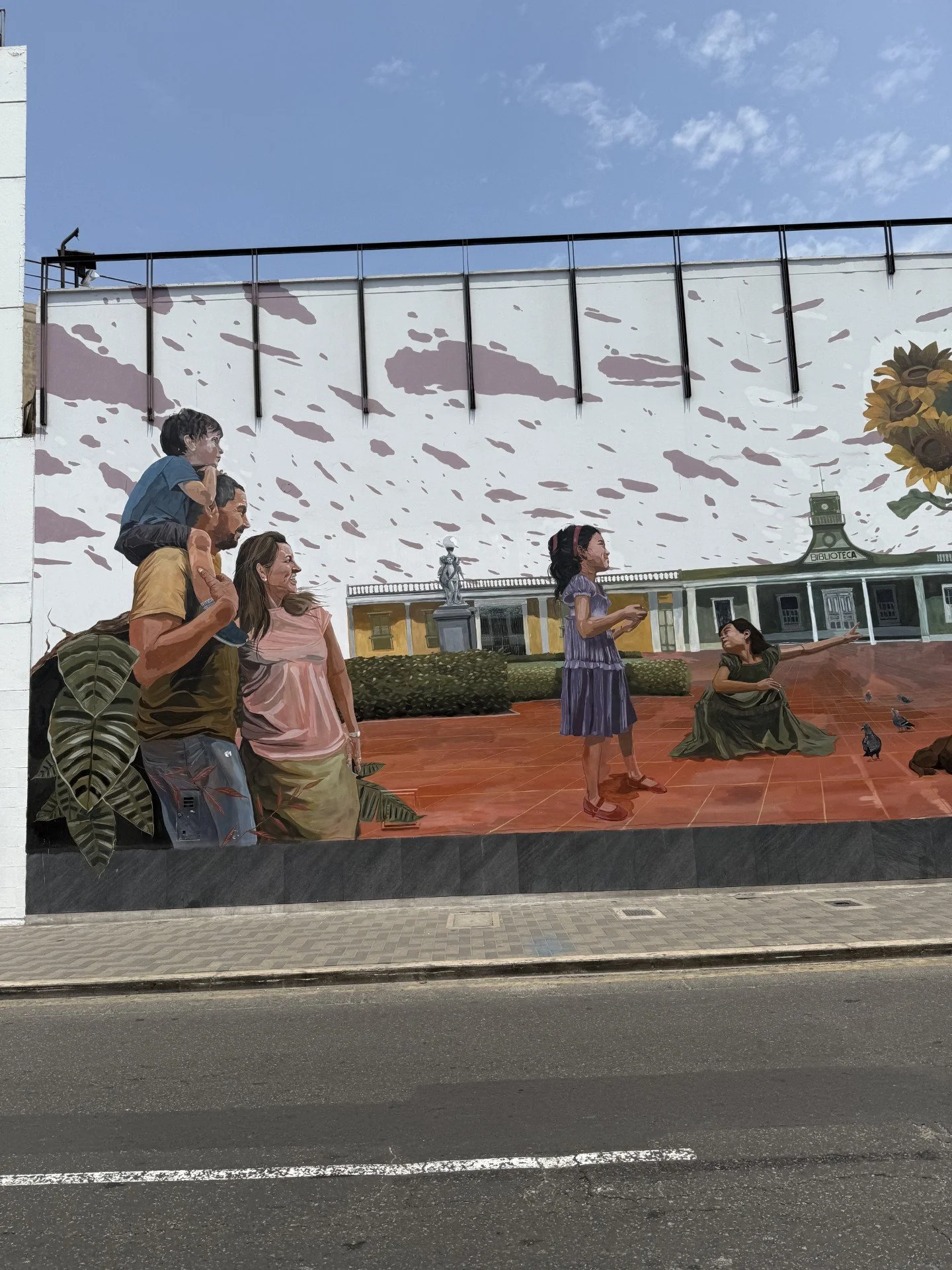
Lima gets treated as a necessary inconvenience by a lot of Peru itineraries — the city you fly into before getting to the "real" part of the trip. This is a mistake.
We spent two nights in Lima and it wasn't enough. The food scene alone could justify a longer stay. Lima is consistently ranked among the world's great culinary cities and the reputation is earned. Peruvian cuisine — ceviche, causa, lomo saltado, the various preparations of potato that make you realise Britain has been doing it wrong for centuries — is genuinely exceptional, and eating it in Lima, in the restaurants that have been refining these dishes for decades, is different from eating it anywhere else.
The district of Miraflores sits on cliffs above the Pacific and is where most visitors base themselves — well organised, safe, walkable, with excellent restaurants and a seafront that's more dramatic than you'd expect from a capital city.
What we'd tell you: Add a night to Lima that you weren't planning. You'll use it.

The Amazon: The Section Everyone Skips (Don't)
A lot of Peru itineraries treat the Amazon as optional — an add-on for people with extra time and money, tacked onto the "real" trip of Cusco and Machu Picchu. We nearly made that mistake ourselves. We're glad we didn't.
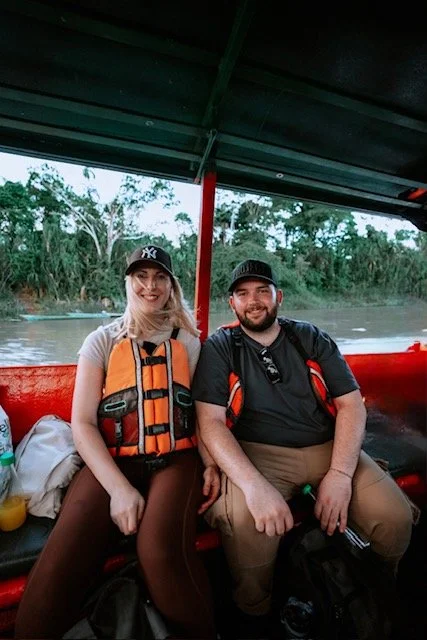
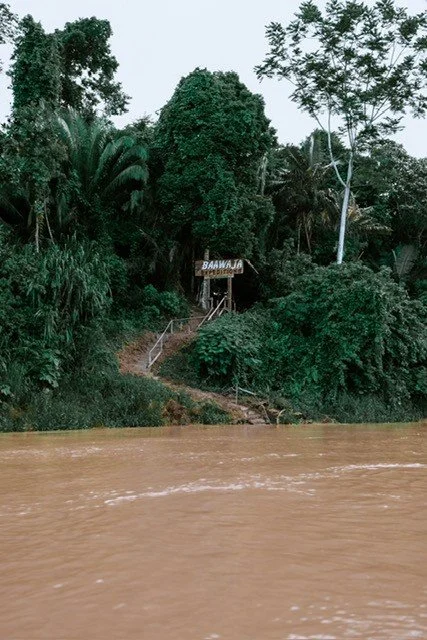
Getting there is most of the adventure. A flight from Lima to Puerto Maldonado, then a motorised canoe upriver for a couple of hours into the Madre de Dios region — which is, in itself, one of the more memorable transfers we've had anywhere. You pack a small duffel for the two nights and leave your main luggage behind in town, which feels slightly alarming the first time you do it and completely fine by the second.
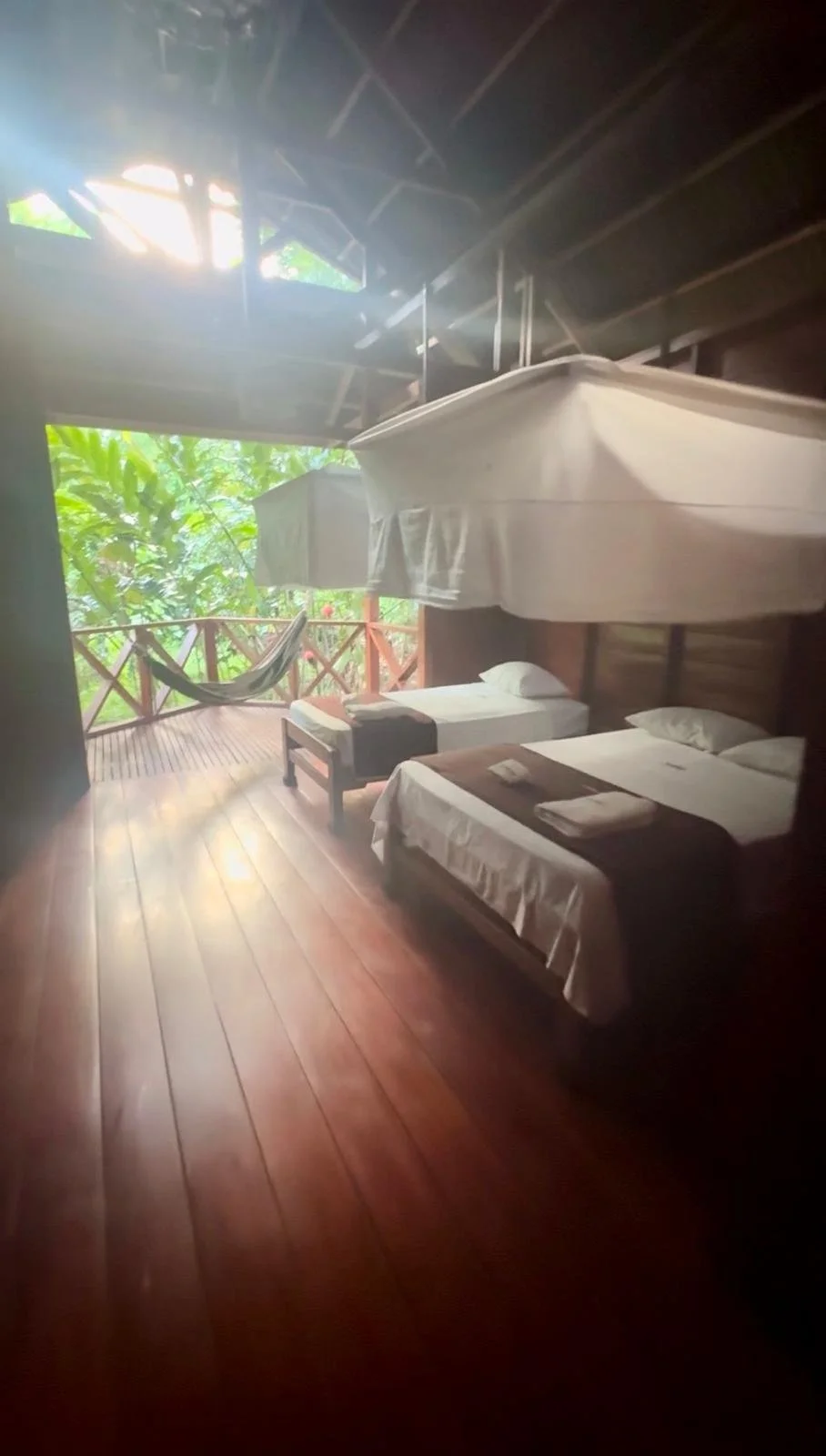
We stayed at Ñape Lodge — simple, eco-built, no electricity in the rooms, cold showers, mosquito nets, and exactly as atmospheric as that sounds. This is not a luxury stop. It's not supposed to be.
The lodge's local guides are the real value here. On our first evening, we did a jungle walk to a traditional archery lesson with the local indigenous community, learning how they craft and use their bows — then, after dark, we went back out onto the river by boat, spotlighting for caimans in the water. It's a completely different kind of quiet to anywhere else on the trip. No engines, no other tourists, just the sound of the jungle doing what it does at night.
The early morning river cruise was the standout. We were up before the heat properly set in, gliding along Tres Chimbadas Lake looking for wildlife waking up for the day — macaws overhead, monkeys moving through the canopy, black caiman lurking at the water's edge. It's the kind of morning that recalibrates your sense of scale in the same way the safari did in South Africa — you're a guest in something much older and much less interested in you than you are in it.
What we'd tell you: Don't cut the Amazon for time. It's easy to see it as the "extra" stop on a Peru itinerary that's already covering a lot — Lima, altitude, Machu Picchu — but it's a genuinely different Peru to the one most people photograph, and even two nights is enough to feel like you've properly been somewhere wild.
A quick shout-out here: this whole trip — Amazon included — was arranged on a Flying the Nest expedition . They organised the logistics, transfers, permits, the right guides in the right places, and it's a big part of why a trip covering this much ground felt manageable rather than exhausting to plan.
The Altitude: Real, But Manageable
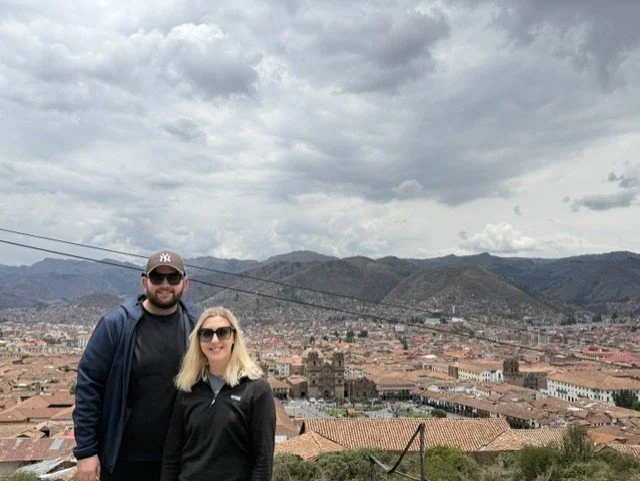
Cusco sits at 3,400 metres above sea level. This is not nothing. Altitude affects people differently and unpredictably — fitness level has very little to do with it — and the honest advice is to respect it rather than assume you'll be fine.
We acclimatised in Cusco for a couple of days before going anywhere more demanding, which is the standard recommendation and the right one. The first day we both felt it — that particular breathlessness that arrives when you've done nothing more strenuous than walking up a flight of stairs, and your body registers a complaint you weren't expecting. There were moments, in the first day or two, when simply existing required slightly more effort than usual.
By day three, we were fine. The trick is to move slowly, drink more water than feels necessary, avoid alcohol for the first couple of days, and not try to do too much too soon.
Cusco itself is beautiful — cobbled streets, Spanish colonial architecture built on Inca foundations, markets that are genuine markets rather than tourist constructions. It's worth the acclimatisation days just to spend them there.
The Train to Machu Picchu: The Right Decision
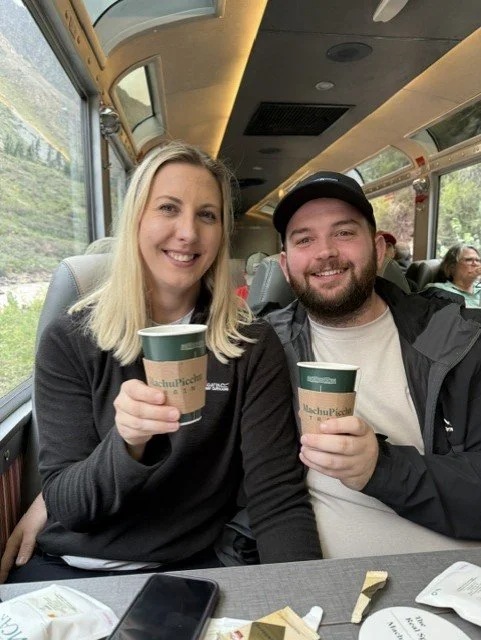
We took the train from Cusco to Aguas Calientes — the town at the base of Machu Picchu — rather than trekking the Inca Trail. This is the decision we're asked about most when people find out we've been to Peru.
The Inca Trail is extraordinary and we're not dismissing it. Four days, spectacular Andean scenery, arriving at the Sun Gate at dawn — for the right person on the right trip, it's a bucket list experience.
But it requires booking up to a year in advance, has strict permit limits, needs a reasonable level of fitness and preparation, and takes four days away from everything else you're there to see. For a two week trip with limited leave, it wasn't the right call for us.
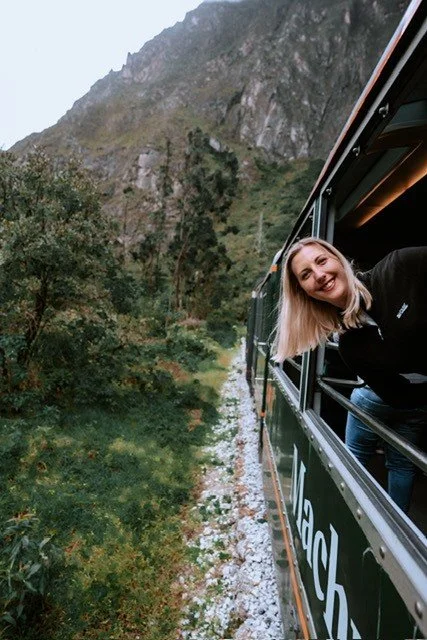
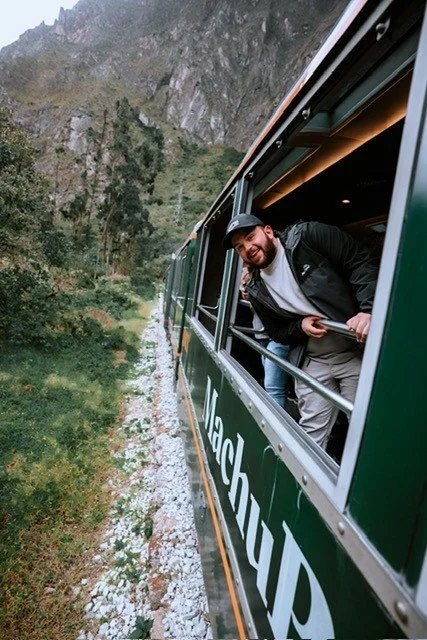
The train, on the other hand, is one of the most beautiful rail journeys we've taken anywhere. The carriages have large windows designed to show you the scenery, which shifts from Andean plateau to cloud forest to subtropical valley in the space of a few hours. There's a glass roof in some carriages. A live band played on our journey. We arrived at Aguas Calientes relaxed, with full use of our legs, and ready for the next morning.
For the record: We would do the train again without hesitation.
Machu Picchu: Standing at a Wonder of the World
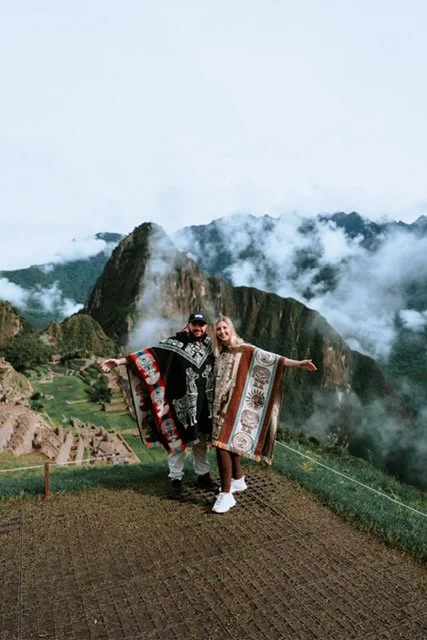
There are seven wonders of the world. We've now seen five of them. Each one has done something different to us — the scale of one, the history of another, the sheer technical improbability of a third.
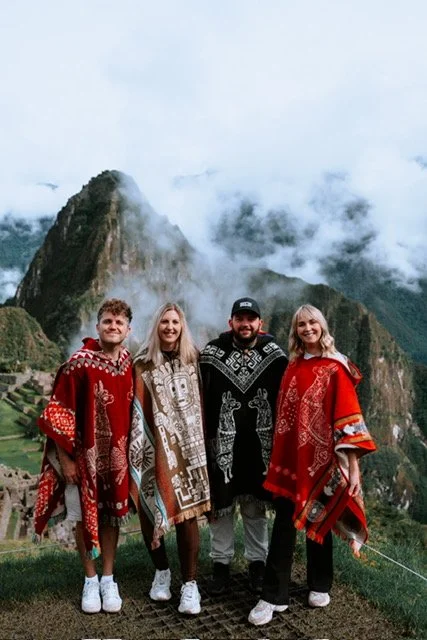
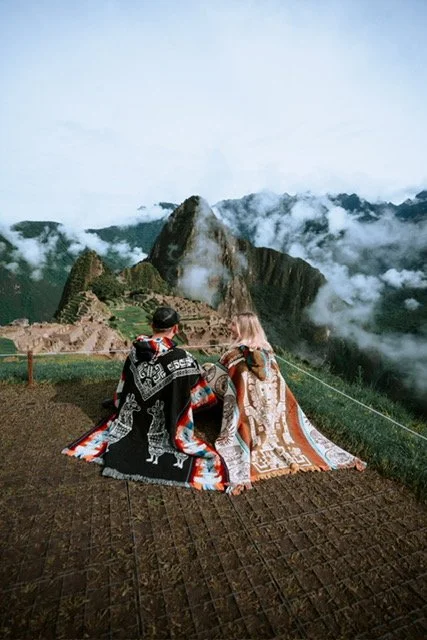
Machu Picchu does something specific. It makes you feel small, but not in an overwhelming way — in a clarifying way. You're standing in a citadel built in the fifteenth century, at altitude, in a location so improbable that it wasn't rediscovered by the outside world until 1911. The mountains around it disappear into cloud. The terraces drop away below you. The llamas, entirely unbothered, wander through what was once an imperial estate.
We're not going to over-describe it. Some things are better experienced than written about.
The practical notes that matter:
Book your entry tickets well in advance — they sell out, particularly for the early morning slots which are the ones you want. Entry is timed and capacity controlled, which is the right policy and means it's less chaotic than it once was.
Get there early. The morning light is better for photography, the crowds are thinner, and the experience of arriving when it's still quiet is worth the early start.
Consider staying overnight in Aguas Calientes rather than doing it as a day trip from Cusco. The extra time lets you go twice — evening and morning — and the second visit, when you know the layout and have already absorbed the initial impact, is often the better one.
The Practical Bit
How long: Two weeks covers Lima, the Amazon, Cusco acclimatisation, the Sacred Valley and Machu Picchu with a little breathing room. Ten days is tight but possible if you're focused
Getting around: Fly Lima to Puerto Maldonado for the Amazon, then on to Cusco rather than overland — the time is much better spent elsewhere. Train from Cusco to Aguas Calientes for Machu Picchu. The Sacred Valley is best explored with a driver or guided tour for a day
The altitude: Take it seriously. Acclimatise for two days minimum in Cusco before attempting anything more demanding
Machu Picchu tickets: Book directly through the official Peruvian government ticketing site well in advance. Don't leave this until the last minute
Safety: Lima's Miraflores and Barranco districts are safe and well-oriented for visitors. Cusco's main tourist areas are similarly fine. Use standard travel common sense and you'll be fine
The Bottom Line
Peru is not as complicated as it looks from the outside. You don't need to trek for four days. You don't need to be especially adventurous or especially fit. You need curiosity, a reasonable tolerance for altitude, and the willingness to get on a plane to somewhere that will give you back considerably more than you put in.
Machu Picchu is a wonder of the world and it earns the title. Lima will feed you better than you expect. The Amazon will remind you what genuine wilderness feels like. The train journey through the Sacred Valley is one of the better travel experiences we've had.
Go. Take the train. Eat everything in Lima. Don't skip the jungle.
Follow along as we work towards completing all seven wonders — and all seven continents, with one very cold one still to go. Questions about our Peru itinerary? Drop them below.